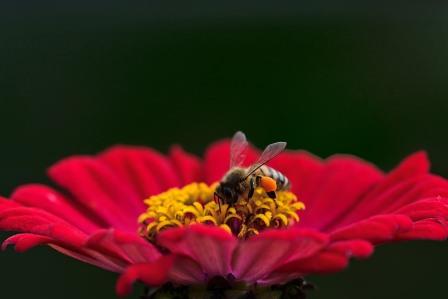
Globally many city and town planners are recognising the importance of planting mini greenbelts that support vital pollinators like bees. Sadly in South Africa this is not the case, making it vital for gardeners to plant pollinator plants. Having a bee-friendly garden is not only important for the survival of this important species it’s also easy to do.
Insects are a vital part of the world’s ecosystems, but sadly, in many parts of the world bees and other pollinators like butterflies, are in decline. Today more than 40% of the world’s insect populations are declining, with more than a third of all insects now recognised as being endangered. Despite being one of the most loved and charismatic of insects, bees have not escaped this decline. There are many reasons for this, including the loss of their natural habitats due to the spread of cities and towns, and modern agricultural techniques.
Town planners across the globe now recognise the importance and the advantages of planting forage plants for pollinators of all kinds, and carefully selected nectar and pollen-rich plants are planted in large swathes in cities and suburban settings to create mini greenbelts to support these vital pollinators. These green belts will also become home to many other small animals and birds.
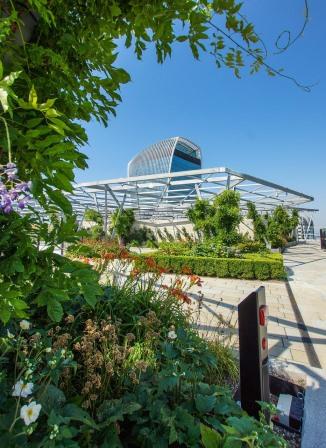 London Rooftop Garden Image by Frank Nürnberger from PixabayRoof Gardens
Roof gardens are becoming the norm, and these elevated green spaces provide urban greening to create habitats for pollinators. Greening provides insulation, mitigating the urban ‘heat island’ effect, and also improves air quality and manages storm water runoff.
The urban heat island (UHI) effect is a phenomenon where cities experience significantly higher temperatures, up to 5 or even 10°C higher than surrounding rural areas. This is caused by heat-absorbing materials like concrete and asphalt, sparse vegetation, and waste heat from human activity. Urban heat islands can pose severe health risks and increases energy demand. Increased vegetation provides insulation, reducing the need for heating and cooling, with some roofs reducing indoor ambient temperatures by an average of 3°C, slashing air conditioner usage by up to 40%.
Underutilized rooftops can be turned in beautiful recreational spaces, or even productive urban farms. Rooftop beekeeping is another growing urban trend where hives are often situated on high-rise buildings. Because this method requires specialized management, such as planting pollinator friendly plants to boost biodiversity and support pollinators, using docile bee breeds and securing water sources, projects must be managed with the help of professional urban apiarists. Rooftop apiaries are frequently used by restaurants and other companies to demonstrate sustainability and to produce local honey.
Rooftop gardens require careful structural planning, waterproofing, and containerised planting.
Vertical Gardens
Urban wildflower gardens are trending for all the right reasons and vertical gardens, also called “green walls”, provide exciting possibilities to create habitats for pollinators, and like roof gardens, they also provide insulation, and improve air quality.
Vertical gardens can be large or small but this space-saving technique is ideal for growing plants in small spaces, patios, and balcony gardens. Vertical gardens are usually supported against a wall, trellis, or fence, and used for everything from small pots and soil-filled bags to high-tech planters. They can feature decorative greenery, vegetables, herbs, or flowers on even the tiniest deck.
A vertical garden can be as simple as planting up some hanging baskets, or installing a trellis or archway for plants to grow up. Many systems use sustainable materials, such as felt pockets that maintain moisture, reducing water usage, and which can be mounted against a wall or hung-over fences and gates.
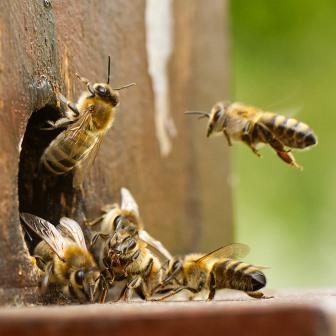 Bees need shelter. Image by thomas wilfert from PixabayCreate a bee-friendly garden
In South Africa there are more than 1000 different bee species and they are all vital in sustaining our natural biodiversity. Bees pollinate the plants that produce much of the food we eat, and they also pollinate the wild flowers that feed the other insects that fuel the food chain.
Sadly in South Africa many of our public parks are not maintained and often sprayed indiscriminately with dangerous poisons which can decimate pollinators and other wildlife. This makes it even more urgent that gardeners plant pollinator plants.
As gardeners we owe a lot to these hard-working pollinators, and simply adding bee-friendly garden plants and other creature-friendly elements to your garden helps to cultivate a biodiverse environment in our cities and towns. By helping bees we’re helping wildlife – and ourselves.
The more people we have creating these pollinator-friendly green spaces in cities and towns, the more these green spaces start working together, helping wildlife to thrive and move between habitats within these areas. As your pollinator garden grows you will be surprised at how quickly pollinators like bees appear, and knowing their plight, there is no better sound than a garden alive with the sound of buzzing bees.
In their early stages of development bees are vulnerable and cannot fend for themselves, so they seek protection from the environment. Wild bees will nest in a hollow tree trunk, a crack in a wall or even a chimney or pool filter box.
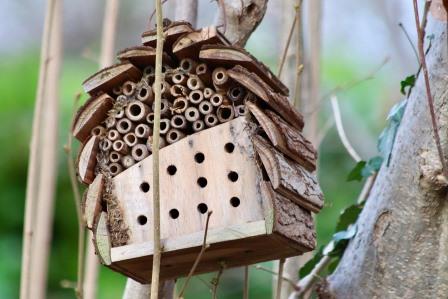 Bee Hotel Image by Annette Meyer from PixabayConsider adding a bee hotel where solitary bees can shelter in your garden. These attractive wooden structures are widely available and make a wonderful addition to wildlife gardens.
Honeybees need a sheltering hive or place to nest, and for commercial fruit or vegetable crops
cultivated bees make it possible to move them to areas where they are required for pollination services.
If bees make a nest in your garden and you have to remove them, please contact a professional who will remove the nest and the bees without harming them.
What do Honeybees Eat?
Honeybees prefer plants that produce both nectar and pollen. When they forage, they feed directly on nectar which provides energy in the form of carbohydrates. The pollen that they collect while foraging is rich in protein, vitamins, and minerals.
A healthy hive requires access to high pollen and nectar yielding flowers all year round, and especially in winter. The healthier the bees are the better they will fare against diseases and toxins that can harm or kill them.
Pesticides can be very harmful and should never be used near hives or on forage plants. If you need to spray other plants in the garden, purchase eco-friendly sprays, and follow the directions carefully. Make sure that you spray when insect activity is at its lowest.
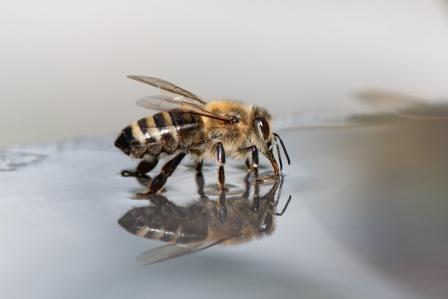 Bees need water. Image by xiSerge from PixabayHoneybees need water
Honeybees and other bee species need more than just flowers to survive, they also need a source of water, preferably not too far away from the hive. During dry spells in summer or winter, offer fresh water in any shallow container.
Plants which attract bees and other pollinators
Anyone with access to an outdoor space, large or small, can create a place where bees can feed, even a balcony garden will do. All garden wildlife, including bees thrive in gardens that are a bit on the wild side as they offer plenty of spaces to shelter in.
There are many exotic and indigenous plants that you can use. Naturally, using as many indigenous plants as you can is always best, and with South Africa’s extraordinary plant diversity there is a huge selection of trees, shrubs and lower-growing perennial and annual species to choose from. If you select indigenous species native to your region, in either the winter or summer-rainfall regions of the country, they will be water-wise too, requiring little to no watering during the dry season.
To grow a year-round bee larder, choose plants that flower at different times of year and those with a long flowering season. Choose scented flowers as this helps bees locate flowers for food from further away. However, bees can be particular about the kind of smell that a flower emits, and prefer sweet-smelling flowers over musty or spicy smelling ones.
Select flowers that have not been hybridised, as many hybrid plants are selected to look spectacular with double or triple rows of petals, but sadly in breeding for traits that humans adore other traits like scent can be lost, and all those extra rows of petals replaces the flower’s ability to produce the male flower parts that hold pollen, inhibits access to nectar, and in many cases even the production of nectar.
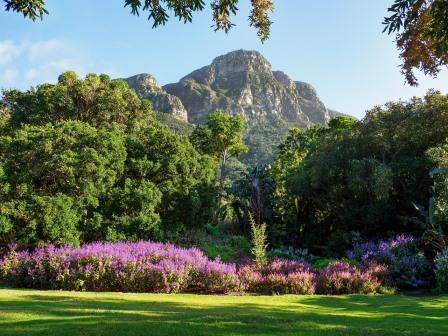 Bees love large swathes of the same plant. Image by Jean van der Meulen from PixabayBees can fly up to 2km looking for food, but the further they fly, the more important it becomes that the worker bees reserve enough energy to get back to the hive again. Therefore, to conserve energy searching for scattered flowers, they prefer to visit larger groups of flowers of the same kind in the garden. If you have a medium to large garden, make it worth their while to travel to your garden by planting swathes of the same plant. Mass plantings also create colourful displays that really pop in the garden.
Because honey bees prefer to forage on crops with large numbers of identical flowers beekeepers often reject the idea of small gardens for honey bees. But this is not necessarily true as the flying force of any colony comprises or scouts who search for pollen and nectar, and foragers who collect it. Incredibly, some recent research shows that, depending on the time of year, up to 25% of the foragers in a single colony may be scouts whose job it is to discover large swaths forage plants to feed the colony.
To find those treasures, the scouts clock many miles on their wings, and periodically, they need to rest, refuel, and rehydrate, just like a trucker on an endless freeway, honey bees need a pit stop, something you can provide with a miniature bee garden. In small gardens, try to select plants that bloom for a long time.
Research suggests that generally bees prefer blue, purple, and yellow flowers. However, there are exceptions such as orange Aloe flowers, and the white flowers of the White Pear which are also highly sought after.
Pay attention to what bees are feeding on in your garden and suburb, and which ones they seem to love the most, and plant more of those. You could even use your pavement or sidewalk to plant bee friendly plants, shrubs and even shade trees.
The same principles apply for small gardens or a large tracts of land, such as those managed by landscapers, landscape architects, golf-course managers, estate managers and even office parks.
Keep posted as I am currently working on bee friendly plant lists to inspire you, and which will include annuals and edibles, groundcovers and small bee plants, as well as shrubs and trees to attract pollinators.